Exploring the History of Peak Caps: From Sportswear to Streetwear
Peak caps, also known as baseball caps or snapbacks, have become an essential accessory in today's fashion world. From athletes to celebrities, everyone seems to be sporting a peak cap these days. But have you ever wondered about the origins of this iconic headwear? Let's dive into the history of peak caps and how they have transitioned from being just sportswear to a staple in streetwear fashion.
1. The Early Days
The peak cap can trace its roots back to the 19th century when it was primarily worn by baseball players to shield their eyes from the sun. The first baseball team to officially wear peak caps was the Brooklyn Excelsiors in 1860. These early peak caps were made of straw and had a long brim to protect the players' eyes.
As baseball grew in popularity, so did the peak cap. It became a symbol of team unity and pride, with each team having its own unique design and colors. The peak cap soon became synonymous with the sport, and fans began wearing them to show support for their favorite teams.
2. The Rise of Streetwear
Fast forward to the 1980s and 1990s, and peak caps started to make their way into mainstream fashion. Hip-hop artists and rappers began incorporating peak caps into their wardrobe, giving them a cool and edgy vibe. Brands like New Era and Mitchell & Ness capitalized on this trend by creating stylish peak caps that appealed to a younger audience.
Soon, peak caps were no longer just for sports fans. They became a fashion statement, with people from all walks of life wearing them to add a touch of urban flair to their outfits. Streetwear brands like Supreme and BAPE further popularized the trend by releasing limited-edition peak caps that became coveted collector's items.
3. The Evolution of Design
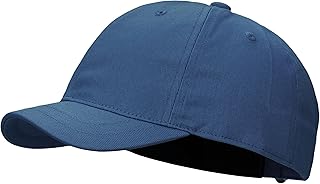
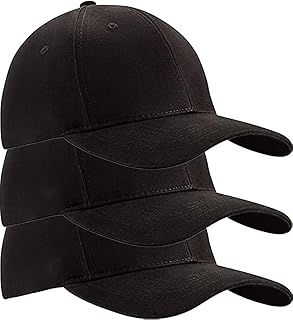
Over the years, peak caps have evolved in terms of design and materials. What started as a simple straw cap with a long brim has now transformed into a variety of styles, including snapbacks, fitted caps, and dad hats. Peak caps now come in a wide range of colors, patterns, and materials, allowing people to express their individuality through their choice of headwear.
Embroidered logos, bold graphics, and quirky slogans have become popular features on peak caps, adding a touch of personality to the otherwise utilitarian accessory. Brands like Nike, Adidas, and Puma have all put their own spin on the classic peak cap, creating limited-edition collaborations that fly off the shelves as soon as they are released.
4. The Celebrity Influence
Celebrities have played a significant role in popularizing peak caps as a fashion staple. From musicians like Jay-Z and Pharrell Williams to actors like Leonardo DiCaprio and Justin Bieber, it seems like everyone in Hollywood has been spotted wearing a peak cap at some point. Their endorsement of the trend has helped propel peak caps into the mainstream and solidify their status as a must-have accessory.
Whether it's on the red carpet or running errands, celebrities have shown that peak caps can be dressed up or down to suit any occasion. Their effortless style has inspired fans around the world to embrace the versatility of peak caps and incorporate them into their own wardrobes.
5. The Future of Peak Caps
As we look to the future, it's clear that peak caps are here to stay. With new collaborations, innovative designs, and a growing demand for streetwear fashion, peak caps will continue to be a key player in the world of accessories. Whether you're a sports fan, a fashion enthusiast, or just looking to add a cool factor to your outfit, a peak cap is a timeless piece that will never go out of style.
So, the next time you reach for a peak cap, remember the rich history and evolution of this iconic accessory. From its humble beginnings on the baseball field to its current status as a fashion staple, the peak cap has truly stood the test of time and cemented its place in the world of sportswear and streetwear.